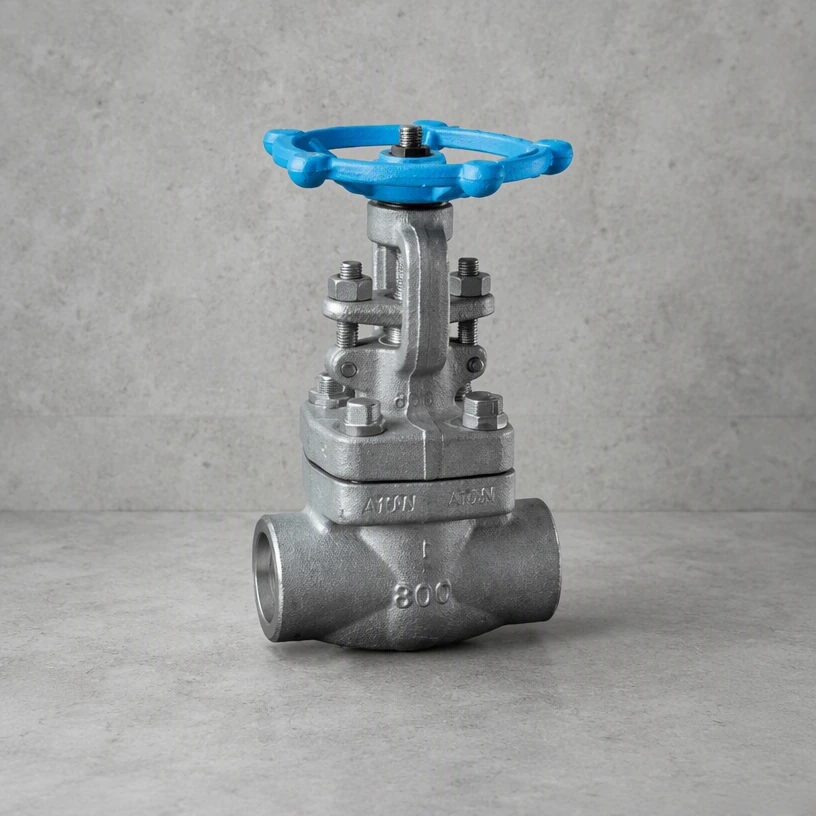
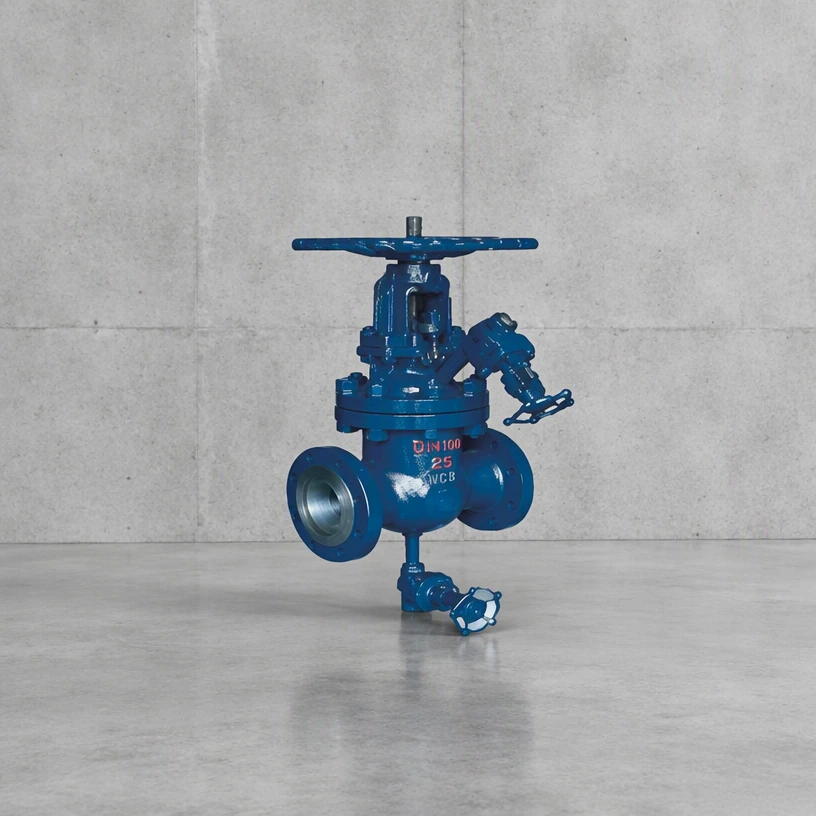
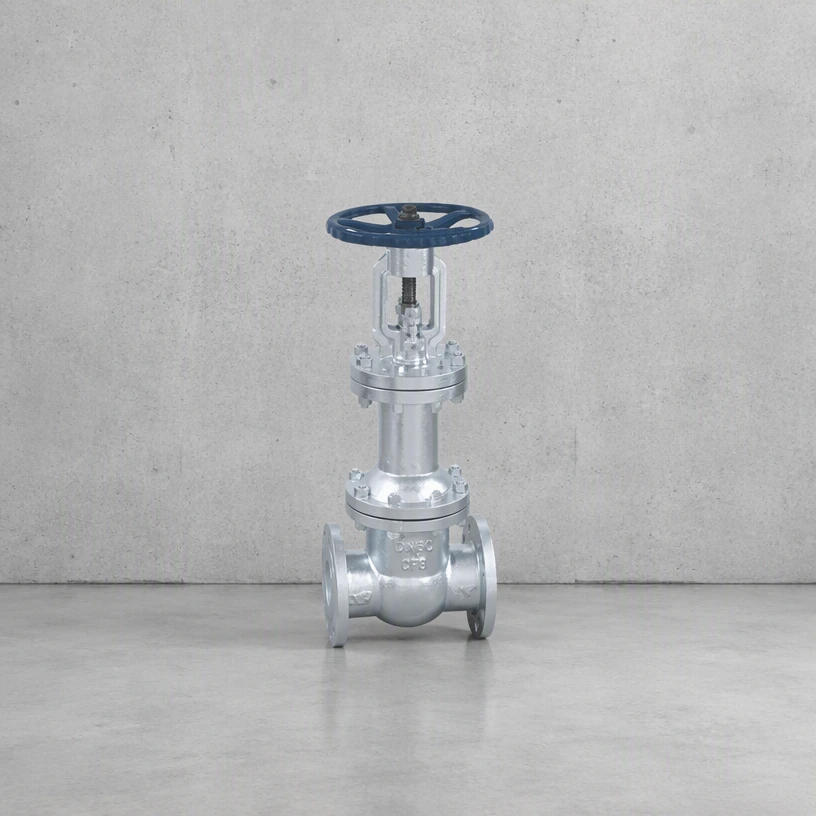
Q1. What is a stainless steel gate valve used for, and where is it used?
A1. A stainless steel gate valve is specified where the medium would attack a carbon steel body — acids, alkalis, ammonia, urea and sour natural gas are the usual cases.
Q2. What design variants are available, and how do I tell them apart?
A2. Stainless steel gate valves follow the same wedge construction as carbon steel versions, with two choices that matter more than the rest: a one-piece body or a body-and-bonnet assembly, and metal seating either machined into the body or welded on as hard facing. Body-machined seats remove the galvanic couple that appears between a stainless body and a dissimilar seat ring.
Q3. How do I choose between austenitic and duplex stainless grades?
A3. Start from the medium rather than from a grade list. CF8 (304 type) is adequate for water, steam and mildly aggressive chemical service; CF8M (316 type) is the usual minimum where chlorides, dilute acids or urea are present. Above roughly 60 °C, chlorides become a stress-corrosion cracking risk for austenitic grades whatever the molybdenum content, and duplex stainless is the standard answer because it resists both cracking and pitting better. Put the medium, its concentration, the chloride level and the temperature into the enquiry — those four figures decide the grade, and a specification that says only ‘stainless steel’ leaves the choice open to whoever quotes it.
Q4. What should I watch during installation, operation and maintenance?
A4. Keep stainless valves away from carbon steel tooling and from contact with carbon steel pipe supports where wet conditions exist. Clean the seating faces before assembly — stainless seats mark easily when grit is trapped between the faces. Where the valve is welded into stainless pipe, follow a procedure qualified for the grade and avoid excessive heat input.
Q5. Which standards does this valve follow?
A5. The design basis is a published standard rather than a catalogue number. For steel gate valves the usual combination is ASME B16.34 for pressure–temperature ratings, ASME B16.10 for face-to-face length, ASME B16.5 for flanges and API 600 as the design reference for the larger sizes; pipeline valves follow API 6D instead. Seat and shell testing is to API 598, with the acceptance level expressed against ISO 5208. Where a customer specifies a different standard — DIN, EN, GB or a client specification — it can be worked to, but it should be named at enquiry stage, because it changes dimensions, materials list and test acceptance at the same time.
Q6. How do I select the right one for my line?
A6. The material grade decides more than the size here. Establish the medium, its concentration and any chloride content before choosing between 304 and 316 type grades, and consider duplex where chlorides and elevated temperature appear together. Where the seat is machined in the body rather than fitted as a ring, there is no dissimilar-metal couple to corrode.
Q7. How do I order, and what information is needed for a quotation?
A7. Ordering starts from the line list: tag number, size, class, medium, temperature, connection and operating method. Send that and we will confirm material and seat selection against the medium, flag anything that is likely to cause trouble on site, and quote accordingly. Special sizes, operators and materials are produced to order.