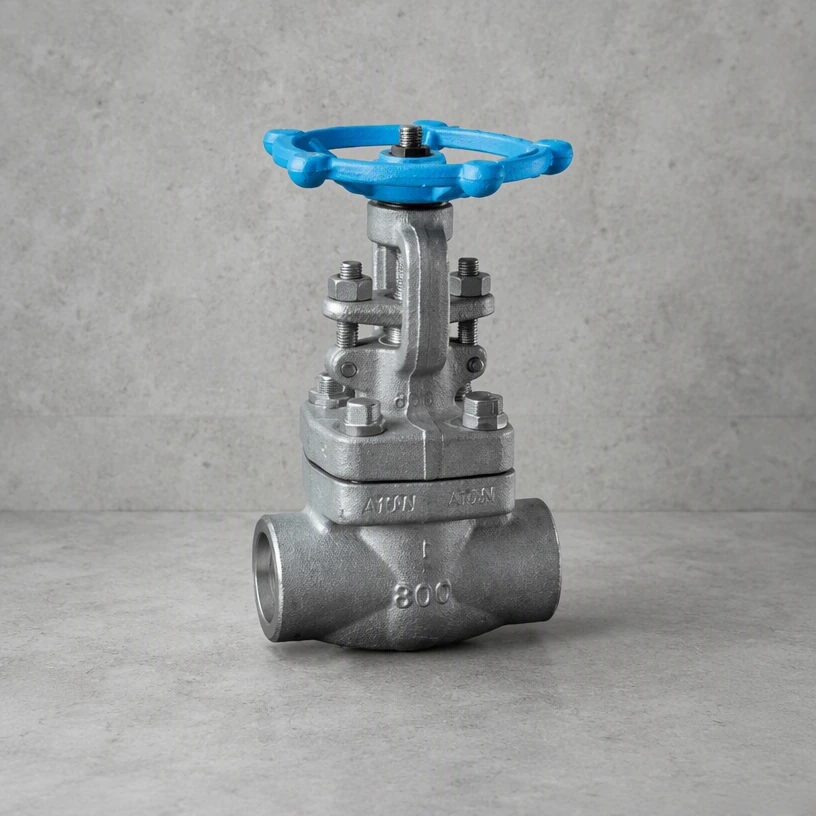
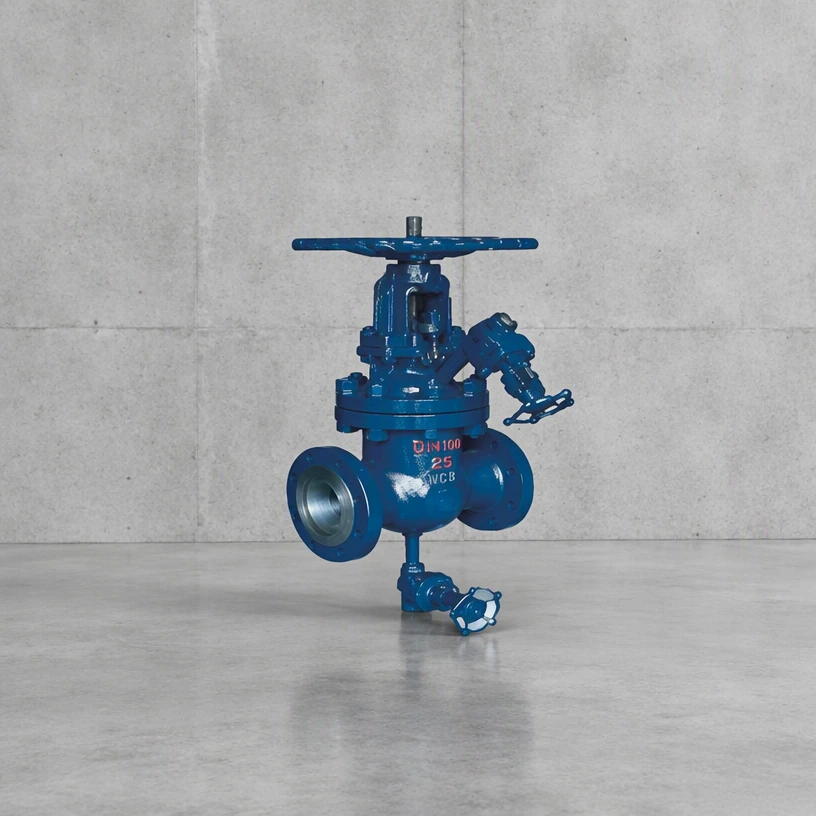
Q1. What is a bellows sealed gate valve used for, and where is it used?
A1. A bellows gate valve is specified when leakage past the stem is not acceptable — steam, hot oil and toxic or hazardous media are the usual applications. It removes the packed gland as a leak path by enclosing the stem in a welded bellows.
Q2. What body materials and seating arrangements can be specified?
A2. Because the point of the design is external tightness, the trim and seal materials deserve more attention than the body. Bellows material must match the medium and the temperature: austenitic stainless for steam and general service, higher alloys where the medium is aggressive. Packing, if fitted as a back-up, is usually flexible graphite at elevated temperature.
Q3. Can the bellows be replaced, and what has to be specified for a spare?
A3. On most bellows-sealed valves the bellows is a welded sub-assembly with the stem, so replacing it means fitting a new stem-and-bellows unit rather than a loose component. That makes two things worth settling at order stage: whether the assembly is available as a spare part at all, and whether it can be changed with the valve in the line or only on a bench. For the spare itself, the bellows material and the number of plies have to match the original — a heavier single-ply bellows is not equivalent to a multi-ply one even if it fits, because the spring rate and the fatigue life are different.
Q4. What should I watch during installation, operation and maintenance?
A4. Treat the bellows as a wear part and inspect it at every overhaul — cracking and permanent deformation are the failure modes to look for. Avoid over-torquing on closing: forcing a bellows valve shut loads the bellows in compression. Check the bellows-to-stem weld as well, since that joint is where a leak usually starts.
Q5. How does it compare with the alternatives on the same line?
A5. A gate valve is an isolation valve, and the comparison that matters is with the valves that could do the same job less expensively. A butterfly valve is lighter and cheaper above roughly DN200; a ball valve gives quarter-turn operation and is better where the valve is cycled often; a globe valve is chosen only when some flow regulation is wanted, because it costs pressure drop. The gate valve’s advantages are the unobstructed bore when open, the ability to hold a tight seal at higher pressure, and a straight-through passage that can be cleaned. The disadvantage to accept is that it must be worked between fully open and fully closed.
Q6. How do I select the right one for my line?
A6. Decide first whether a back-up packing is required in addition to the bellows, since that affects both the height and the maintenance procedure. Then check the temperature against the bellows material rather than against the body, because the bellows is the limiting component.
Q7. How do I order, and what information is needed for a quotation?
A7. Give us the service conditions rather than only a model number: size, pressure rating, medium, temperature and connection. Where a standard applies, name it and the revision. Custom work is normal in this range — end connections, operator type, trim material and surface treatment are all specified per order.