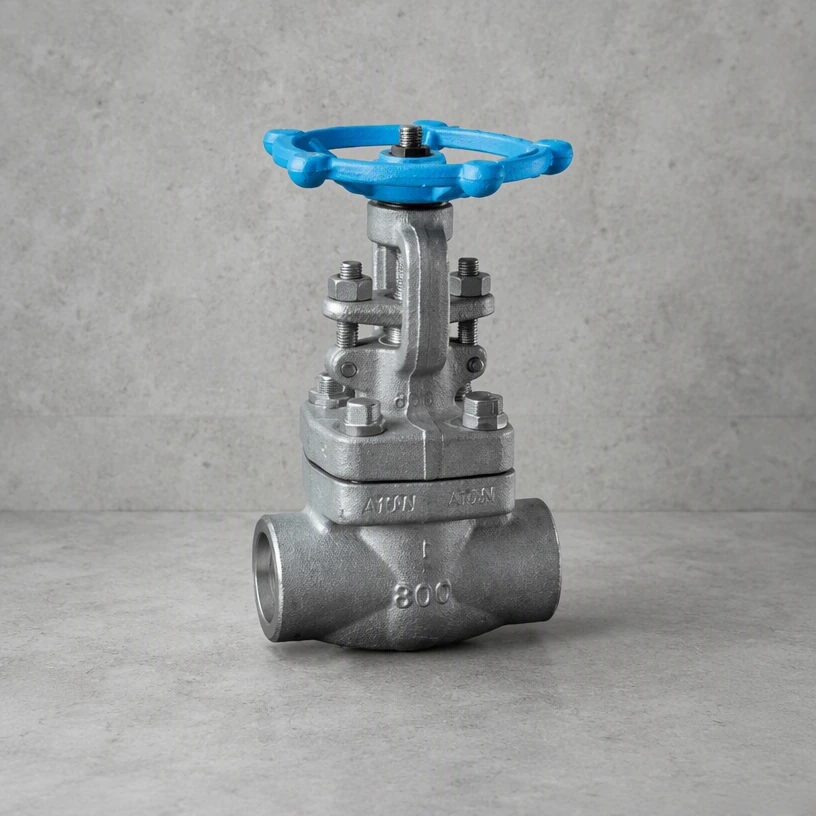
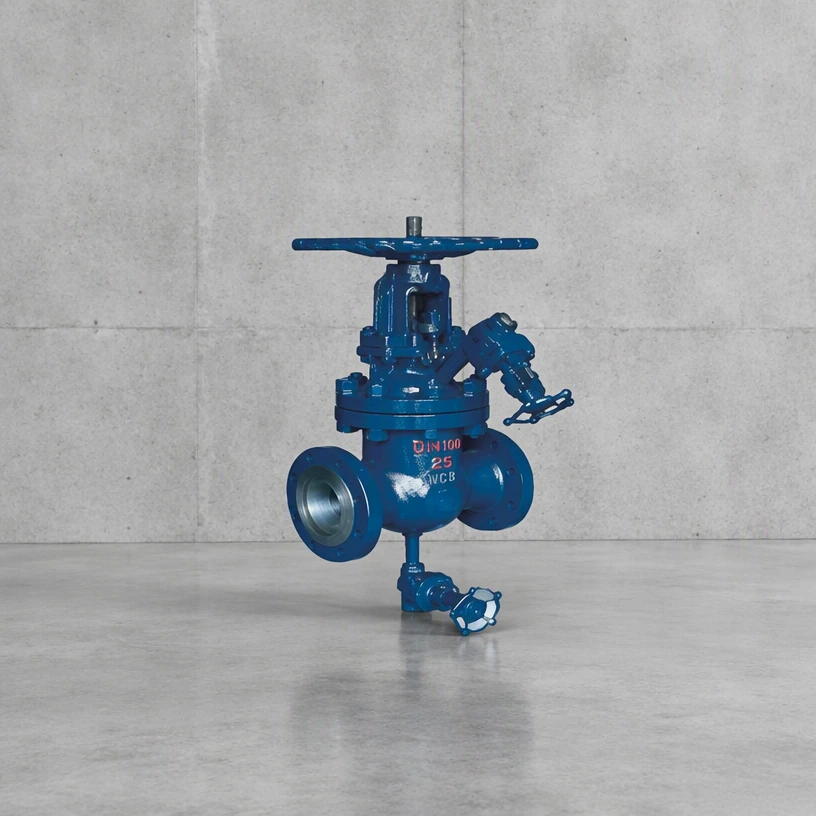
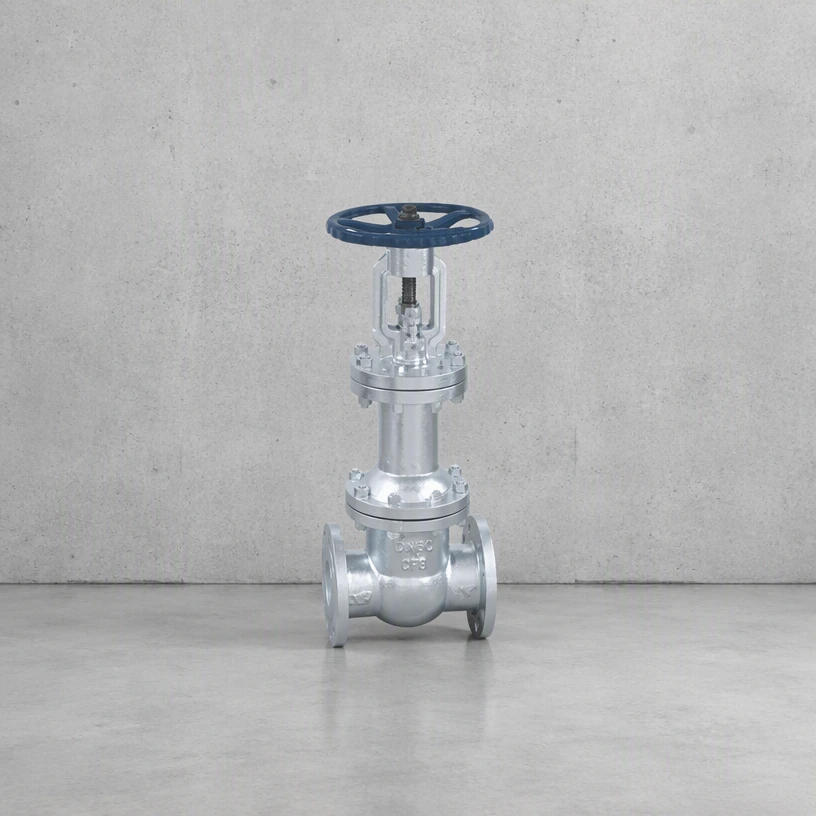
Q1. What is an ASME flanged gate valve used for, and where is it used?
A1. An American standard gate valve is a gate valve built to the ASME dimensional and pressure rating system, used for liquid and gas service in plants designed to those standards.
Q2. What design variants are available, and how do I tell them apart?
A2. The main variants are solid wedge, flexible wedge and split wedge. A solid wedge is the simplest and suits clean, steady service; a flexible wedge absorbs the distortion that a body sees during thermal cycling and is preferred where temperature changes; a split wedge lets the two discs align independently, which suits high-temperature lines and valves that have to sit closed for long periods. The stem arrangement also differs: rising stem (outside screw and yoke) shows the position visually, non-rising stem saves headroom.
Q3. Which standards does this valve follow?
A3. Valves in this range are designed and manufactured in accordance with recognised industry standards rather than to a single in-house specification. The pressure and temperature framework normally follows ASME B16.34; ASME B16.10 covers face-to-face dimensions and ASME B16.5 the flange drilling; API 600 is the usual design reference for steel gate valves in the larger sizes, and API 6D where the valve is intended for pipeline service. Pressure testing follows API 598. Standards are applied as the design basis — the certificate of conformity issued with a delivery states which standard and which revision each item was built and tested to, so the drawing should be read together with that certificate.
Q4. How is the valve pressure tested before delivery?
A4. Every valve is shell-tested and seat-tested before dispatch. The shell test is carried out at 1.5 times the rated pressure at 38 °C, with the valve partly open, to prove the pressure boundary; the seat test is at 1.1 times, with the valve closed, to prove the closure. Holding time is set by the standard according to size. Acceptance is normally quoted against ISO 5208: Rate A means no visible leakage, while the lower rates permit a defined volume of leakage over the test period. The rate that applies should be stated in the specification — on gas, toxic or metered service Rate A is the usual requirement, while on water service a lower rate is often accepted.
Q5. How does it compare with the alternatives on the same line?
A5. The choice is usually between a gate valve and a globe valve, or between a gate valve and a butterfly valve. Against a globe valve, a gate valve has a much lower pressure drop when open because the bore is unobstructed, but it cannot throttle — a globe valve can regulate flow, at the cost of a permanent pressure loss. Against a butterfly valve, a gate valve costs more at small sizes but holds tight more easily and takes higher pressure; the butterfly is smaller, lighter and cheaper as size grows, which is why large water lines often use it instead. Gate valves are therefore chosen on lines where the valve sits fully open for long periods and must isolate without loss.
Q6. How do I select the right one for my line?
A6. The critical checks are the flange standard and drilling, the face-to-face dimension and the pressure class against the design temperature. These three determine whether the valve fits the pipe it is meant to replace, which matters more than any internal feature on a like-for-like swap.
Q7. How do I order, and what information is needed for a quotation?
A7. Send the line size, pressure class, medium, working temperature and required connection. Add anything the line demands — sour service, low temperature, a pigging requirement, a control-room signal — and the quotation will come back with the material and seat selection confirmed rather than assumed. Non-standard sizes, alternative operators, trim material and coating can all be produced to order.