Q1. What is a large diameter gate valve used for, and where is it used?
A1. A large diameter gate valve is the non-throttling isolation valve for main lines: it stays fully open or fully closed, and when open it leaves the bore almost unobstructed, which is why main lines use it in preference to valves that lose pressure across the seat.
Q2. What design variants are available, and how do I tell them apart?
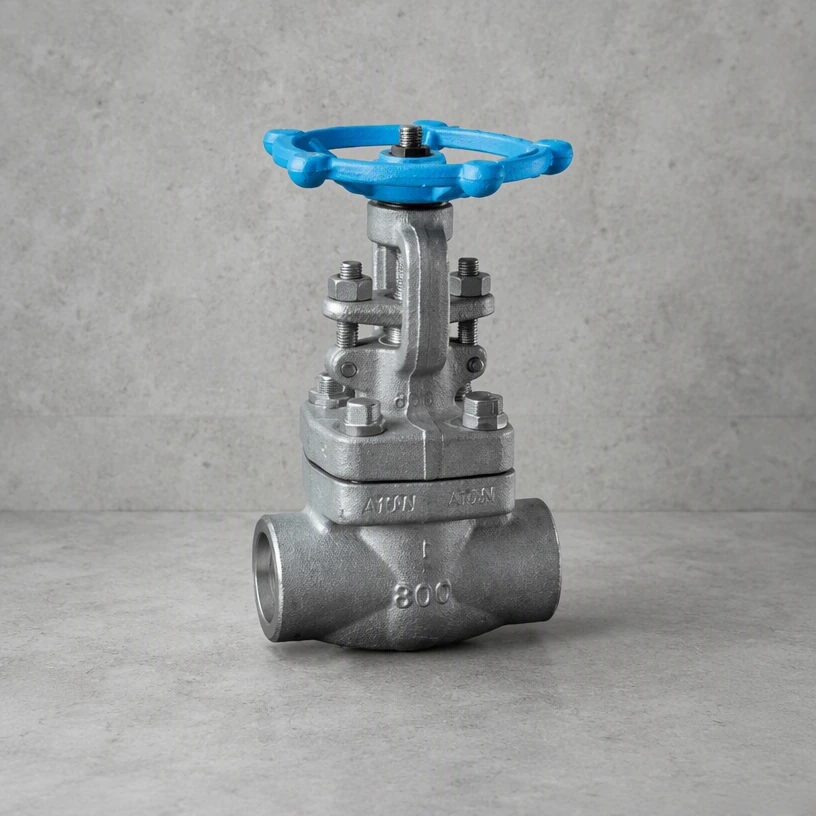
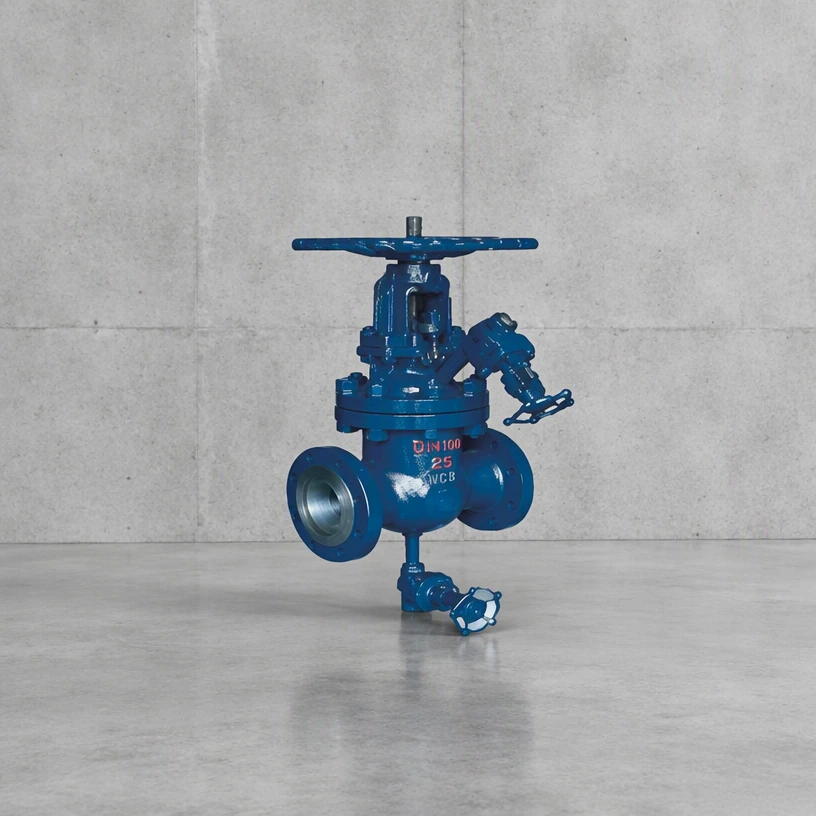
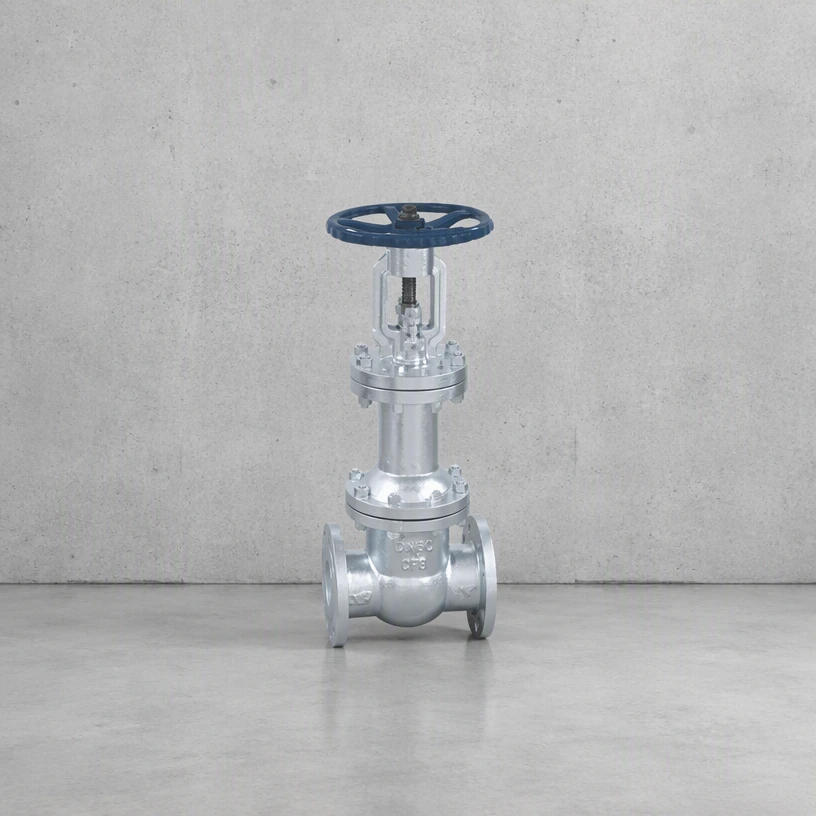
A2. The main variants are solid wedge, flexible wedge and split wedge. A solid wedge is the simplest and suits clean, steady service; a flexible wedge absorbs the distortion that a body sees during thermal cycling and is preferred where temperature changes; a split wedge lets the two discs align independently, which suits high-temperature lines and valves that have to sit closed for long periods. The stem arrangement also differs: rising stem (outside screw and yoke) shows the position visually, non-rising stem saves headroom.
Q3. How does gate valve size relate to the duty it suits?
A3. Gate valves are sized to the line, and the duty changes with the size. Small sizes on branch and utility lines are chosen for tight shut-off and low cost. Medium sizes on distribution mains suit lines where the valve is worked more often and a slightly higher pressure loss is acceptable. The large sizes above roughly DN600 go on transmission mains and plant headers, where an unobstructed bore and low pressure loss matter more than anything else and where the valve may stay in one position for months. Above about DN800 the installation becomes a design activity in its own right: supports either side of the valve, a defined closing torque, and a planned way to bring lifting equipment to site.
Q4. How is the valve pressure tested before delivery?
A4. Testing is to API 598. The shell test is at 1.5 times the 38 °C rating and the seat test at 1.1 times, with the acceptance judged against ISO 5208 leakage rates. Two practical points are worth fixing before the order is placed: whether the seat test is carried out on both directions or only on the specified flow direction, and whether a test certificate with the actual recorded figures is required or a simple pass statement will do. On isolation valves for gas and for hazardous media the test figures are normally asked for and filed with the maintenance record.
Q5. What are the common failure modes, and how are they avoided?
A5. Four things cause most of the trouble. Scoring of the seating faces from trapped particles. Gland leakage from packing that has hardened or from a scratched stem. Corrosion of the stem and the bonnet bolting where water sits. And seizure of the disc after long periods without operation. None of these require a different valve — they require handling and a maintenance habit: keep the pipework clean before commissioning, operate the valve at least annually through its full travel, do not leave it part open, and inspect the packing and stem whenever the line is down.
Q6. How do I select the right one for my line?
A6. Select on line size, pressure class, the medium and, above all, on the torque needed at that size. Above roughly DN300 the operating torque becomes hard to apply by hand, so gear operation is the normal choice; where the valve sits far from an operator or inside a control sequence, electric actuation is used instead.
Q7. How do I order, and what information is needed for a quotation?
A7. Send the line size, pressure class, medium, working temperature and required connection. Add anything the line demands — sour service, low temperature, a pigging requirement, a control-room signal — and the quotation will come back with the material and seat selection confirmed rather than assumed. Non-standard sizes, alternative operators, trim material and coating can all be produced to order.