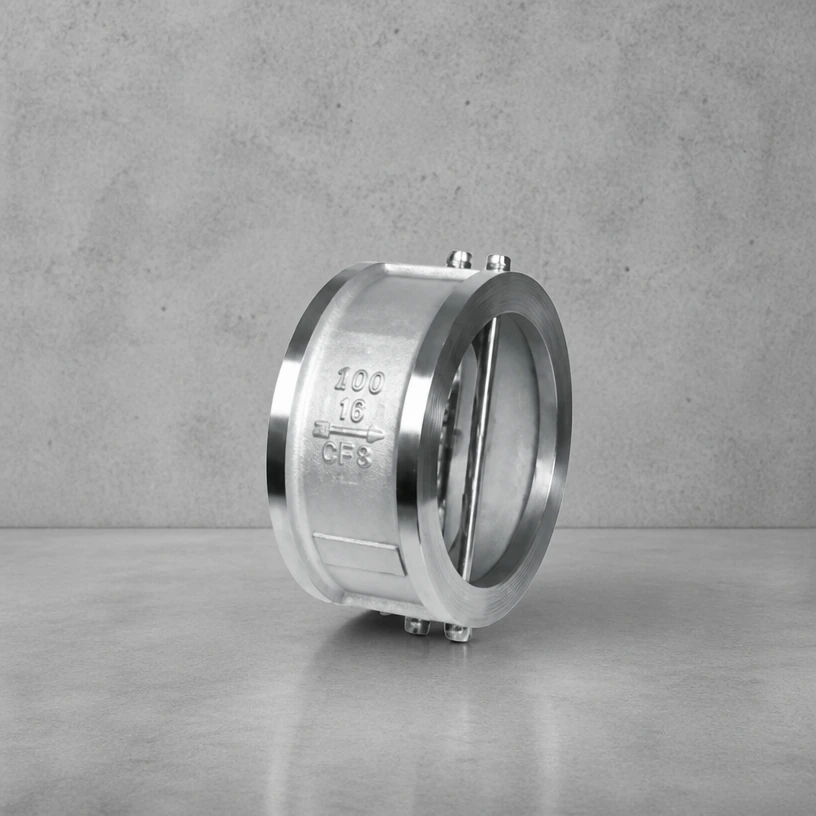
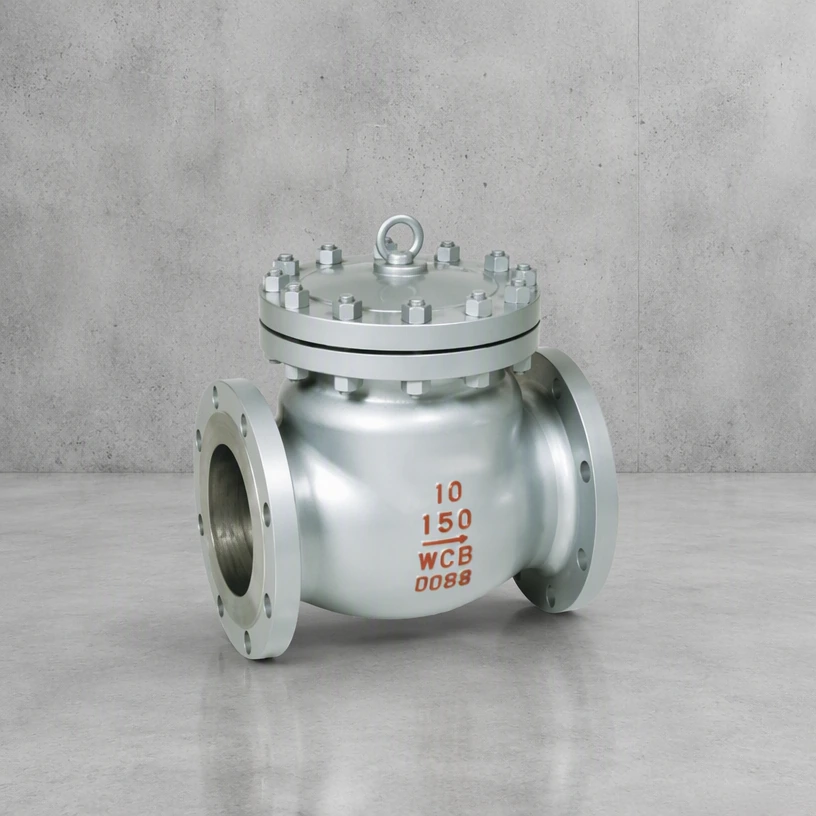
Q1. What is a hydrostatic test valve (model SY60X) used for, and where is it used?
A1. A gate valve is an isolation valve: it lifts a gate out of the flow path, so it works between fully open and fully closed and is never used to regulate. It is the standard choice where a line has to be left open for long periods and then shut off tightly — water and waste-water mains, cooling-water and fire-water headers, plant steam and condensate headers, oil and gas gathering lines, and the block-valve position on either side of a pump or a control valve. Because the gate travels at right angles to the flow, the bore is almost straight through when the valve is open and the pressure loss is the lowest of any isolation valve. That combination — unobstructed bore plus tight shut-off — is the reason it is still the default on large lines.
Q2. What should I watch during installation, operation and maintenance?
A2. Install the valve so that the medium does not accumulate in the bonnet — stem-down installation is avoided for that reason. Keep gate valves fully open or fully closed; holding one at part travel leaves the disc unsupported in the flow stream and erodes the seat. Operate buried or rarely used valves at least once a year, and keep the valve chamber clear of silt so that the operating key engages properly.
Q3. How is the valve pressure tested before delivery?
A3. Every valve is shell-tested and seat-tested before dispatch. The shell test is at 1.5 times the rated pressure at 38 °C with the valve partly open, proving the pressure boundary; the seat test is at 1.1 times with the valve closed, proving the closure. Holding time follows the standard and the size. Acceptance is normally quoted against ISO 5208: Rate A means no visible leakage, while lower rates permit a defined leakage over the test period. The rate that applies should be written into the specification — on gas, toxic or metered service Rate A is the usual requirement.
Q4. How does it compare with the alternative valve types on the same line?
A4. Choose by duty first and by price second. Isolation over long periods with low loss points at a gate or a ball valve; frequent on–off points at a ball valve; flow regulation points at a globe or a control valve; tight shut-off on gas at a soft-seated ball; and space-constrained large lines point at a butterfly. The cost comparison only becomes meaningful once the duty is fixed, because the cheapest valve of the wrong type is the expensive one.
Q5. What are the common failure modes, and how are they avoided?
A5. A valve that fails early usually fails for one of four reasons: it was selected on the normal condition and then met the extreme one, it was installed against the flow arrow, it was used for a duty it was never designed for such as throttling or as the sole isolation point, or it was commissioned without the pipework being cleaned. Only the first of those is a selection issue; the other three are found on site, which is why the installation checks matter as much as the specification.
Q6. How do I select the right one for my line?
A6. Match the valve to the frequency of operation, because that is the variable most often left out. A valve worked twice a year can be a simple handwheel type; the same valve worked twice a day needs a different seat, a different stem finish and probably a gearbox; worked from a control room it needs an actuator with position feedback. The number of cycles also decides whether the seat should be soft or hard, and whether spare seats or a spare complete unit is the right thing to hold in stores.
Q7. How do I order, and what information is needed for a quotation?
A7. Ordering starts from the line list: tag number, size, class, medium, temperature, connection and operating method. Send that and we will confirm material and seat selection against the medium, flag anything that is likely to cause trouble on site, and quote accordingly. Special sizes, operators and materials are produced to order.